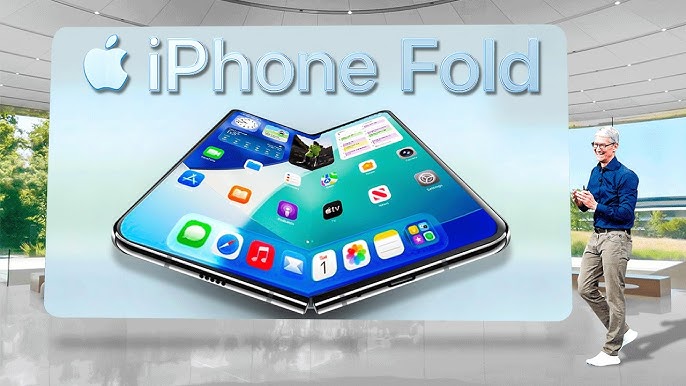
The foldable iPhone Ultra has been “two years away” since around 2018. Every cycle, the rumor mill picks a new launch window and a new “this time it’s real.” So I’ll admit, I’ve gotten skeptical. But the leaks right now feel different. Dummy units have shown up. Foxconn’s started trial production. Bloomberg, MacRumors, and DigiTimes all point at September 2026.
Here’s the thing though, the foldable iPhone Ultra is already running into the kind of problems that shape a first-gen product more than the spec sheet does. A production delay, some uncomfortable design compromises, and a price tag that’ll make people pause. Let’s walk through what we know, what’s still messy, and whether this phone is worth waiting for.
What the Foldable iPhone Ultra Actually Is
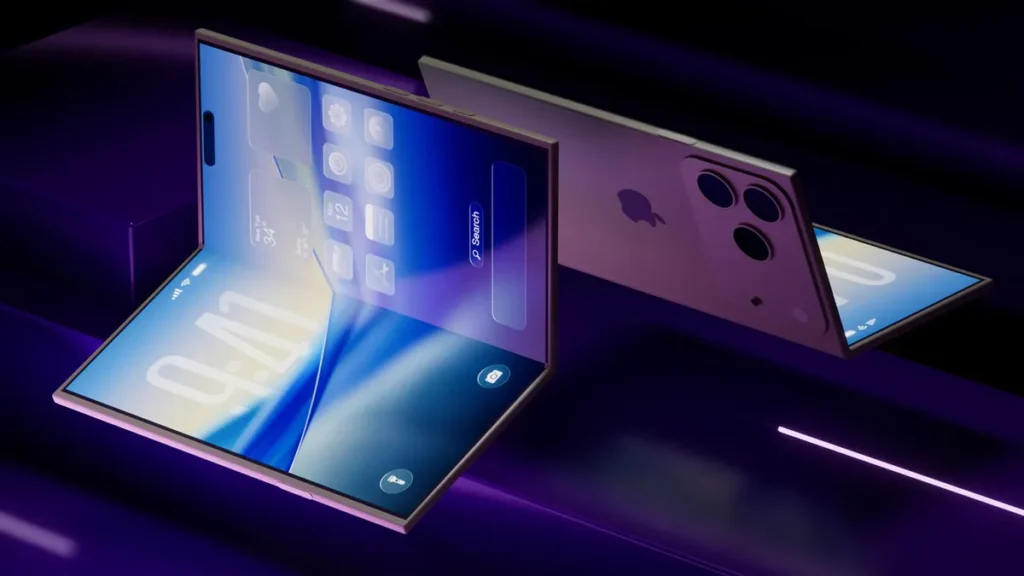
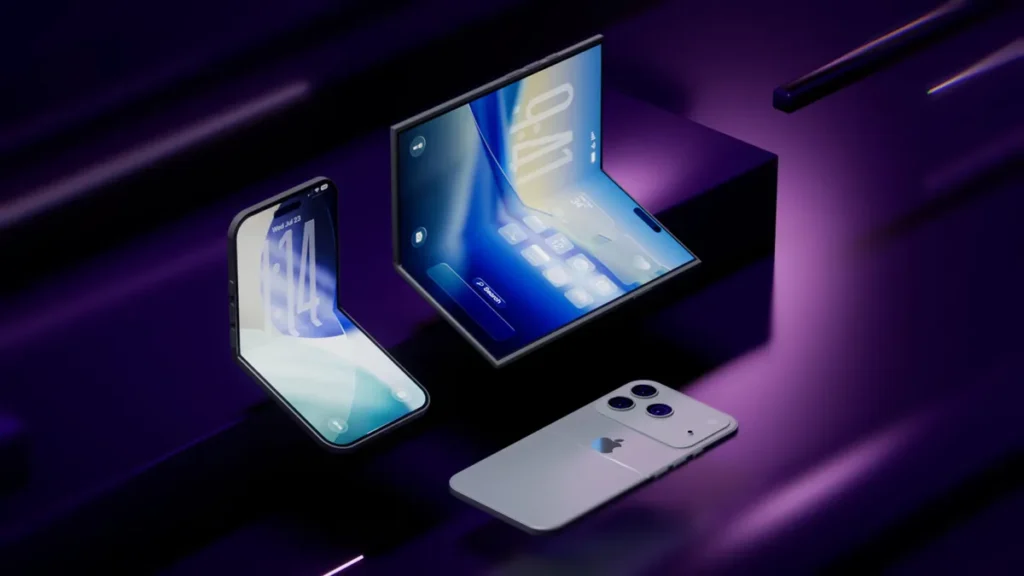
The shape of the device has been pretty consistent across leaks. It’s a book-style foldable, not a clamshell flip. Closer to a Galaxy Z Fold than a Razr.
A Book-Style “Passport” Form Factor
Closed, you’re looking at roughly a 5.5-inch outer screen. Opened, around 7.7 to 7.8 inches with a 4:3 aspect ratio, which is squarer than a typical phone and closer to an iPad mini. Apple internally calls this the “passport” design, and based on the latest dummy unit leaks covered by Macworld, the unfolded device feels more like a small tablet than a stretched phone.
Thickness comes in around 9.5mm folded and 4.5mm opened, in line with the best foldables on the market. The frame is rumored to use a titanium and aluminum mix, and PhoneArena’s reporting points to a 3D-printed titanium hinge, a cheaper route than precision-machined parts.
The Specs That Actually Matter
Inside, you get the A20 Pro chip, 12GB of RAM, and a battery between 5,000 and 5,800 mAh, the largest ever in an iPhone. Tech Advisor’s spec breakdown lines up with three storage tiers: 256GB, 512GB, and 1TB. Numbers are nice, but the real-world performance benchmarks that matter here will come down to thermals and battery efficiency once you’re driving a 7.8-inch panel.
Why the Foldable iPhone Ultra Is Already Delayed
This is the part that’s been bouncing back and forth for weeks. Short answer, it’s complicated.
What’s Happening on the Production Line
DigiTimes reported, via MacRumors, that mass production has slipped by roughly one to two months. Apple originally wanted to start mass production in June 2026. Now it’s looking more like early August. The cause is something called the Engineering Validation Test phase, basically Apple’s last big checkpoint before locking the design and going full volume. That’s not unusual for a first-gen product. What’s unusual is how public it’s gotten.
Will It Still Launch in September 2026?
Probably yes, with caveats. Bloomberg’s Mark Gurman has been firm that the device is still on track for the standard September window. But here’s where it gets messy. A Barclays analyst suggested it could be announced in September and ship later, possibly as late as December. Nikkei Asia has gone further and floated a 2027 launch entirely.
So the realistic picture, September announcement, fall sales, but limited stock at the start. If you’re planning to grab one at launch, expect waitlists and inflated resale prices for the first couple months.
The Design Doubts Nobody’s Talking About Enough
This is where the conversation gets too soft. Apple’s foldable iPhone Ultra is making real compromises, and at $2,000+, those compromises matter.
No Face ID, No Telephoto Camera
To keep the device thin, Apple is reportedly dropping Face ID for a side-mounted Touch ID button, similar to the iPad Air. That’s a step backward in convenience for people who’ve gotten used to glance-to-unlock for years.
The bigger one for me is the camera setup. According to Macworld’s spec breakdown, the foldable iPhone Ultra will likely ship with two 48MP rear cameras, a wide and an ultrawide, and no dedicated telephoto lens. On a $1,099 iPhone Pro, fine. On a $2,000+ “Ultra” device, it feels like a big asterisk. The lack of optical zoom is one of those things you don’t notice in week one and start to feel by month three.
The Crease Problem
Apple’s biggest engineering bet is on solving the visible crease that runs down the middle of every current foldable. Based on a TrendForce analysis covered by Macworld, the approach combines a variable-thickness ultra-thin glass that bends more easily at the fold line, and an optically clear adhesive that stays soft during gradual bending but stiffens under sudden pressure.
The claim is a near-invisible crease. That said, leakers have already noted even advanced prototypes show faint crease lines under certain lighting. So “near crease-free” is the more honest framing.
Durability Concerns
This is the one I’d want field-tested before spending two grand. Foldable hinges collect dust. Flexible inner displays scratch from fingernails. The titanium frame helps, but no foldable on the market has fully solved long-term durability yet. More design info keeps surfacing in supply chain reports, but until people use these phones for a year, durability is a question mark.
How Much Will the Foldable iPhone Ultra Cost?
Short answer, more than any iPhone before it.
The $2,000 to $2,500 Reality
Pricing forecasts have settled into a tight range. Ming-Chi Kuo and Mark Gurman both expect $2,000 to $2,500. UBS analysts go a little lower at $1,800 to $2,000. Fubon Research lands at $2,400. Most people are pointing at $1,999 for the 256GB starting model.
For comparison, that’s almost double a current iPhone Pro Max. Even by Apple’s pricing history, this is a real jump.
Storage Tiers and the Value Math
Rumored pricing across the three tiers lands at roughly $1,999, $2,199, and $2,399 for 256GB, 512GB, and 1TB. If you treat a phone as a four-year purchase, the cost-per-year math isn’t insane. But if you upgrade more often, this is the kind of price where more sensible value picks start looking very attractive.
Should You Actually Wait for the Foldable iPhone Ultra?
Honestly, this depends on what you want from a phone.
Who This Phone Is For
If you’ve been eyeing foldables but didn’t want to leave iOS, this is the phone you’ve been waiting for. It also makes real sense for people who use their phone as a primary work device. A 7.8-inch screen turns the foldable iPhone Ultra into a serious productivity machine, and pairing it with proper productivity workflow setups could replace a lot of small-tablet use cases. Heavy travelers, people who read a lot on their phone, and creators who want a bigger canvas without carrying a separate device, this could fit really well.
Who Should Skip the First Generation
For most people, I’d wait. First-generation foldables have a track record of needing a year or two to settle. Apple is generally good at first-gen products, but folding hardware is a different beast from a unibody phone. If your current iPhone is working fine, the smarter move is to let early adopters surface real-world durability and software issues, then jump in for the second-generation model in 2027.
Final Thoughts
The foldable iPhone Ultra is genuinely interesting, the most ambitious iPhone redesign in years. A book-style foldable with a near crease-free 7.8-inch display, an A20 Pro chip, 12GB of RAM, and Apple’s whole ecosystem behind it. That’s a real product.
But it’s also expensive, late, and shipping with compromises that don’t feel great at this price. No Face ID, no telephoto, and a first-gen hinge in a category that’s still figuring itself out. For early adopters, it’ll be a fun phone to own. For most people, waiting one cycle is probably the better call.
For more honest takes on what’s actually worth buying right now, our smartphone reviews and comparisons hub is the best place to start.